Ginger is a popular spice and medicinal herb that has been used for centuries. It is known for its pungent flavor and aroma, as well as its many health benefits. Ginger can be consumed fresh, dried, ground, or pickled, and it is used in a wide variety of cuisines around the world.
For commercial production, ginger processing usually involves several stages, including washing, peeling, slicing, drying, grinding, sieving, and packaging. The exact process depends on the final product and required production capacity.
This guide explains the main ginger processing methods, the industrial processing steps, and the machines commonly used in a complete ginger processing line.
What Is Ginger Processing?
Ginger processing refers to converting fresh ginger roots into products that are easier to store, transport, use, or sell.
Fresh ginger contains a high amount of moisture and can deteriorate during storage. Industrial processing helps remove impurities, control moisture, improve product consistency, and extend shelf life.
Common processed ginger products include:
Dried ginger slices
Ginger powder
Ginger flakes
Ginger juice
Pickled ginger
Crystallized ginger
Ginger extract
Among these products, dried ginger and ginger powder are particularly suitable for industrial processing because they can be produced efficiently with washing, slicing, drying, grinding, and sieving equipment.
Processing methods of ginger
There are a number of different ways to process ginger, depending on the desired product. The most common processing methods include:
Drying: This is the most common way to preserve ginger. The ginger rhizomes are washed, peeled, and sliced or diced. The slices are then dried in the sun or in a dehydrator until they are completely dry. Dried ginger can be ground into a powder or used whole in recipes.
Pickling: Ginger can also be pickled in vinegar or brine. This process preserves the ginger and gives it a tangy flavor. Pickled ginger is often used as a condiment or garnish.
Crystallization: Crystallized ginger is a sweet and chewy treat that is made by cooking ginger in sugar syrup. The ginger is then coated in sugar and allowed to dry. Crystallized ginger is often used in baking or as a candy.
Oil extraction: Ginger oil is extracted from the rhizomes using a steam distillation process. Ginger oil is a highly concentrated form of ginger that is often used in aromatherapy and herbal medicine.
Processing of ginger products
In addition to the basic processing of ginger methods described above, there are also a number of more specialized processing methods used to produce different ginger products. For example:
Ginger powder: Ginger powder is made by grinding dried ginger into a fine powder. Ginger powder is a popular spice that is used in a wide variety of cuisines.
Ginger juice: Ginger juice is made by extracting the juice from fresh ginger rhizomes. Ginger juice can be used in recipes, added to smoothies, or consumed on its own.
Ginger extract: Ginger extract is a concentrated form of ginger that is made using a solvent extraction process. Ginger extract is often used in herbal
supplements and dietary products.
Benefits of processed ginger products
Processed ginger products offer a number of benefits over fresh ginger. They are more stable and have a longer shelf life. They are also easier to use and measure in recipes. Additionally, some processed ginger products, such as ginger extract, are more concentrated and offer a higher dose of ginger's beneficial compounds.
How to Choose a Ginger Processing Line?
When selecting ginger processing equipment, manufacturers should consider:
1. Production Capacity
The processing capacity determines the machine size and production line configuration.
Small factories may choose a compact ginger processing system, while large manufacturers require fully automatic continuous production lines.
2. Final Ginger Product
Different products require different processing methods:
Dried ginger slices
Ginger powder
Ginger paste
Ginger juice
The equipment configuration should be customized according to the final product.
3. Automation Level
Automatic ginger processing machines can reduce manual labor and improve production efficiency.
Modern processing lines usually adopt:
PLC control system
Adjustable conveyor speed
Stainless steel 304 structure
Automatic temperature control
Why Invest in Industrial Ginger Processing Equipment?
The demand for processed ginger products continues to grow worldwide. Building a ginger processing factory provides opportunities for businesses in the spice and food industries.
Advantages of industrial ginger processing:
Higher production capacity
Improved product consistency
Reduced labor dependence
Better food safety
Higher added value of ginger products
By using professional ginger processing machines, manufacturers can transform fresh ginger into high-value products such as dried ginger slices and ginger powder.
Frequently Asked Questions About Ginger Processing
What is the most common method of processing ginger?
Drying is one of the most common industrial ginger processing methods. Fresh ginger is washed, peeled, sliced, and dried to produce dried ginger slices. The dried slices can then be ground into ginger powder.
How is ginger processed in a factory?
A typical factory process is washing → peeling → slicing → drying for dried ginger, while ginger powder production adds grinding and sieving after drying.
What machine is used to process ginger?
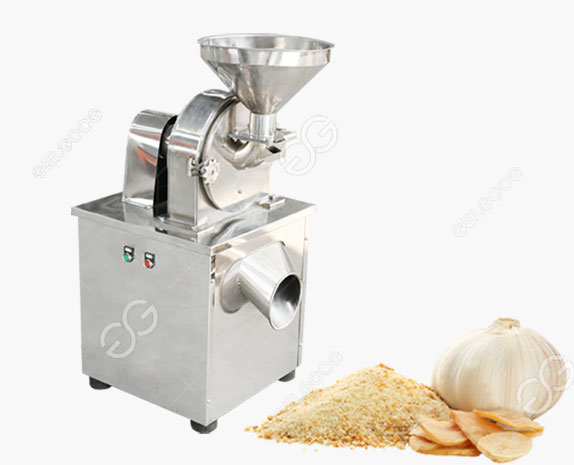
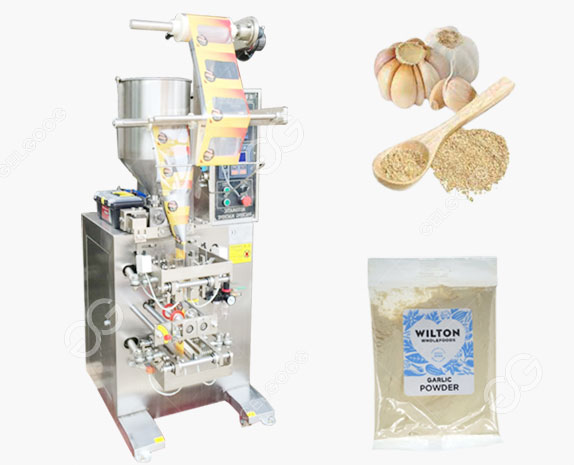
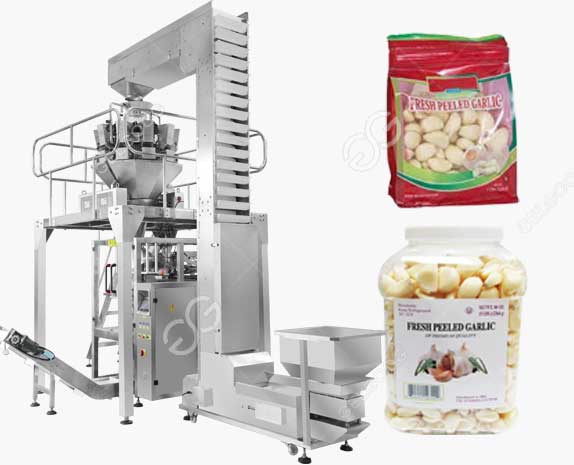
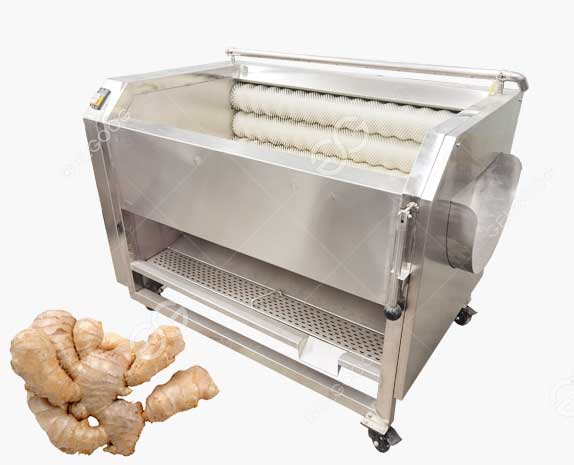
Industrial ginger processing can use ginger washing machines, peeling machines, slicing machines, drying machines, grinding machines, sieving machines, and packaging machines.
How is ginger made into powder?
Fresh ginger is first washed, peeled, and sliced. The slices are then dried and ground into powder. A sieving machine can be used to obtain a more uniform particle size before packaging.
What machine is used to dry ginger?
Industrial ginger can be dried using hot-air circulation dryers, mesh-belt dryers, and other commercial dehydration systems. The appropriate dryer depends on the production capacity and processing requirements.
Can one processing line produce both dried ginger and ginger powder?
Yes. A flexible ginger powder processing line can produce dried ginger slices by stopping after the drying stage. Adding grinding and sieving equipment allows the dried ginger to be processed into ginger powder.
Conclusion
Ginger is a versatile spice that can be processed in a number of different ways to produce a variety of different products. Processed ginger products offer a number of benefits over fresh ginger, making them a convenient and effective way to enjoy all the benefits of ginger.