The global demand for dehydrated garlic continues to grow because garlic flakes are widely used in food processing, seasoning, sauces, instant foods, snacks, meat products, and spice blends. Compared with fresh garlic, dehydrated garlic flakes have a longer shelf life, are easier to store and transport, and can be used as a convenient industrial ingredient.
For entrepreneurs and food processors looking to enter the dehydrated garlic business, setting up a garlic flakes dehydration plant can be an attractive investment. However, the success of the project depends on selecting the right processing technology, production capacity, drying system, and automation level.
This guide explains how to set up a commercial garlic flakes dehydration plant, including the production process, main machines, factory requirements, capacity selection, and key factors affecting investment.
What Is a Garlic Flakes Dehydration Plant?
A garlic flakes dehydration plant is an industrial processing facility designed to convert fresh garlic bulbs into stable, dried garlic flakes.
A typical production line can integrate garlic cleaning, peeling, washing, slicing, drying, cooling, grading, and packaging equipment. Depending on the customer's raw material and final product requirements, additional equipment such as garlic sorting machines, conveyors, metal detectors, or automatic packaging machines can also be included.
The basic production flow is:
Fresh Garlic → Cleaning → Peeling → Washing → Slicing → Dehydration → Cooling → Grading → Packaging
The complete process can be customized according to the required capacity and final garlic flake specifications.
Garlic Flakes Production Process
1. Fresh Garlic Receiving and Sorting
Fresh garlic bulbs are first delivered to the processing plant and inspected for quality.
Damaged, rotten, moldy, or unsuitable garlic should be removed before processing. Proper raw material selection helps improve the final color, flavor, and quality of the dehydrated garlic flakes.
For large-scale factories, mechanical sorting and conveying systems can reduce manual labor and improve production efficiency.
2. Garlic Cleaning
Garlic bulbs normally contain soil, dust, roots, and other impurities after harvesting.
An industrial garlic cleaning system can remove surface dirt before peeling. This helps reduce contamination and improves the efficiency of subsequent peeling and washing operations.
Depending on the raw material condition, the plant can use dry cleaning, brushing, air cleaning, or water-based washing systems.
3. Garlic Peeling
Garlic peeling is one of the most important operations in the production line.
Industrial garlic peeling machines use controlled air pressure and mechanical separation to remove the garlic skin while minimizing damage to the cloves.
For commercial production, an automatic garlic peeling system can significantly reduce labor requirements compared with manual peeling.
4. Garlic Washing
After peeling, the garlic cloves are washed to remove remaining skin, dirt, and impurities.
A commercial garlic washing machine can provide continuous cleaning and is generally designed with food-grade stainless-steel construction.
For factories requiring higher hygiene standards, the washing system can be equipped with water circulation, spray cleaning, or other sanitation solutions.
5. Garlic Slicing
The cleaned garlic cloves are then transferred to an industrial garlic slicing machine.
The slicer cuts garlic cloves into uniform pieces or flakes according to the required product specifications.
Consistent slice thickness is particularly important because it affects drying time, moisture content, color, texture, and final product quality.
6. Garlic Dehydration
Dehydration is the core process of a garlic flakes production line.
Fresh garlic contains a high level of moisture. The purpose of industrial drying is to remove excess moisture while preserving the characteristic flavor, color, and nutritional properties of garlic.
An industrial garlic dryer uses controlled hot air, temperature, airflow, and drying time to achieve stable moisture levels.
The exact drying parameters depend on:
Garlic variety
Initial moisture content
Slice thickness
Desired final moisture
Production capacity
Dryer configuration
A properly designed drying system can provide more consistent results than traditional sun drying while reducing dependence on weather conditions.
Main Machines for a Garlic Flakes Dehydration Plant
A complete garlic flakes dehydration plant may include the following equipment:
| Machine | Main Function |
|---|---|
| Garlic sorting machine | Removes unsuitable raw materials |
| Garlic cleaning machine | Removes soil and surface impurities |
| Garlic peeling machine | Removes garlic skin |
| Garlic washing machine | Cleans peeled cloves |
| Garlic slicing machine | Cuts garlic cloves into flakes |
| Garlic dryer | Removes moisture from garlic flakes |
| Cooling conveyor | Cools dried garlic |
| Grading/screening machine | Separates flakes by size |
| Metal detector | Detects metallic contaminants |
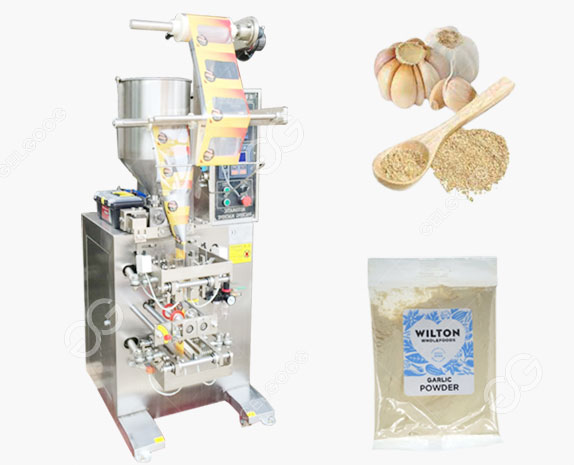
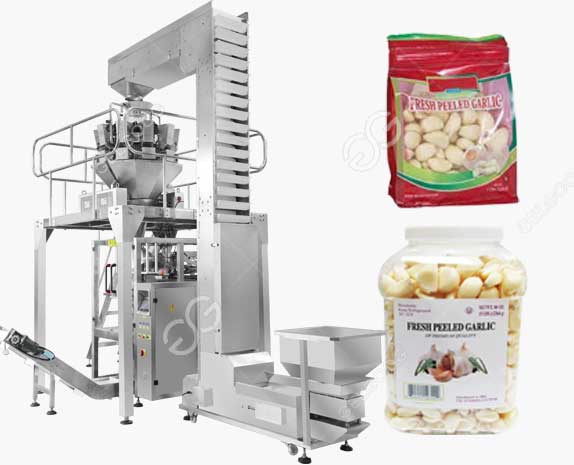
| Weighing and packing machine | Automatically weighs and packages products |
The final equipment configuration should be determined according to raw garlic quality, target capacity, product specifications, factory layout, and budget.
How Much Does a Garlic Flakes Dehydration Plant Cost?
The investment cost varies considerably depending on the production capacity and automation level.
The major factors affecting the cost include:
Production Capacity
A 500 kg/h plant requires less equipment and drying capacity than a 2,000 kg/h industrial line.
Degree of Automation
A semi-automatic line may require more manual labor but have a lower initial investment. A fully automatic production line can reduce labor requirements and improve production consistency.
Drying Technology
The dryer is one of the key components of a garlic dehydration plant. Its configuration, heating method, drying capacity, energy consumption, and automation level can significantly affect the overall investment.
Packaging Requirements
Basic packaging equipment can be suitable for bulk products, while automatic weighing and packaging systems are better suited for standardized retail or industrial products.
Factory Layout
The size and layout of the factory also influence the project cost. The processing line should be designed to provide an efficient material flow from raw garlic receiving to finished product packaging.
For this reason, it is better to request a customized quotation based on the required capacity and product specifications rather than relying on a standard equipment price.
How to Choose the Right Garlic Dehydration Equipment?
When selecting equipment for a garlic flakes processing plant, consider the following factors.
1. Product Quality
The processing line should help maintain the desired garlic color, aroma, moisture content, and flake size.
2. Processing Capacity
Choose equipment capacity according to your expected raw material supply and finished-product demand.
3. Energy Efficiency
Drying is generally one of the major energy-consuming stages. An efficient drying system can help reduce operating costs.
4. Food-Grade Construction
Food-contact components should use suitable food-grade materials, such as stainless steel, to facilitate cleaning and meet hygiene requirements.
5. Automation
PLC-controlled systems, automatic conveying, temperature control, and automatic packaging can reduce manual operations and improve production stability.
6. After-Sales Service
For a complete processing plant, installation, commissioning, operator training, spare parts, and technical support are important considerations when choosing an equipment supplier.
Advantages of Setting Up a Garlic Flakes Dehydration Plant
A commercial garlic dehydration plant offers several advantages compared with traditional processing methods.
Longer shelf life: Removing moisture helps extend the storage period of garlic.
Reduced transportation costs: Dehydrated garlic is lighter and more concentrated than fresh garlic.
Stable year-round production: Industrial drying is less dependent on weather conditions.
Higher processing efficiency: Automated machines can process large quantities of garlic continuously.
Consistent product quality: Controlled slicing and drying can provide more uniform garlic flakes.
Multiple applications: Garlic flakes can be sold to spice manufacturers, food processors, restaurants, seasoning companies, and other industrial buyers.
What Factory Space Is Needed?
The required factory size depends on the production capacity and equipment configuration.
A complete plant normally needs designated areas for:
Raw garlic receiving
Raw material storage
Cleaning and peeling
Washing and slicing
Dehydration
Cooling and grading
Finished product storage
Packaging
Utilities and equipment maintenance
The processing line should ideally follow a logical one-way material flow to reduce unnecessary transportation and improve hygiene management.
How to Start Your Garlic Flakes Business
Before purchasing equipment, it is recommended to define the following information:
Target production capacity
Available fresh garlic supply
Desired garlic flake size
Target final moisture content
Working hours per day
Available factory space
Heating and energy source
Packaging format
Target market
Desired automation level
With this information, an equipment manufacturer can design a suitable garlic flakes dehydration plant instead of simply providing individual machines.
Why Choose a Complete Garlic Flakes Production Line?
Purchasing individual machines from different suppliers can create compatibility and installation problems.
A complete garlic flakes production line allows the equipment to be designed as an integrated system. The washing, peeling, slicing, drying, conveying, grading, and packaging sections can be matched according to the required production capacity.
For investors planning a medium- or large-scale garlic processing project, a turnkey solution can also simplify factory layout, installation, commissioning, and operator training.
Frequently Asked Questions
What is a garlic flakes dehydration plant?
It is an industrial production line that processes fresh garlic into dehydrated garlic flakes through cleaning, peeling, slicing, drying, cooling, grading, and packaging.
What is the main machine in a garlic flakes production line?
The garlic dryer is one of the most important machines because controlled dehydration determines the final moisture, color, texture, and storage stability of the garlic flakes. However, the peeling and slicing systems are also important for overall production efficiency.
Can the garlic flakes plant be fully automatic?
Yes. A commercial garlic processing plant can be designed with automatic conveying, peeling, washing, slicing, drying, grading, weighing, and packaging systems.
Can you customize the production capacity?
Yes. Garlic flakes production lines can be customized according to the customer's required fresh garlic input or finished garlic flakes output.
How long does it take to set up a garlic dehydration plant?
The project schedule depends on the plant size, equipment configuration, factory preparation, installation, and commissioning requirements. A detailed schedule can be provided after confirming the project specifications.
Get a Customized Garlic Flakes Dehydration Plant
Setting up a garlic flakes dehydration plant requires more than simply purchasing a garlic dryer. The entire production process should be designed around raw material quality, processing capacity, drying requirements, product specifications, energy consumption, and factory layout.
Whether you are planning a 500 kg/h, 1 ton/h, 2 ton/h, or larger garlic flakes production line, a customized processing solution can help you achieve efficient production and consistent product quality.
Contact us to discuss your garlic dehydration project and get a customized garlic flakes production line proposal.